As the ice finally retreats from the Fox River and the first signs of a Green Bay spring emerge, your vehicle is likely screaming for a little attention after surviving a brutal Wisconsin winter. While most drivers focus on car washes to scrub away the road salt, the most critical transition happens where the rubber meets the road, literally. Switching from your winter tires to a summer or all-season set is not just a seasonal chore; it is a fundamental safety requirement that affects your braking distance, fuel economy, and overall vehicle control. Ignoring the timing of this switch can lead to "heat-softening" of your expensive winter treads, causing them to wear down prematurely and leaving you with a spongy, unresponsive driving experience as the asphalt warms up.
Understanding the technical nuances of tire compounds is essential for any Green Bay resident who wants to maximize their vehicle's lifespan and safety. Winter tires are engineered with high-silica rubber compounds that remain flexible in sub-zero temperatures, allowing the tread to "bite" into ice and snow. However, once the daily highs consistently surpass a specific thermal threshold, that same flexibility becomes a liability, leading to rapid tread degradation and compromised handling. Making the switch isn't just about avoiding the "swoosh" sound of soft rubber on dry pavement; it’s about ensuring that your car can stop exactly when you need it to during those unpredictable spring rainstorms. Taking action now prevents the long-term cost of replacing a set of winter tires that were ruined by just a few weeks of warm-weather driving.
1. The Critical 45-Degree Threshold
In the world of automotive safety, 45 degrees Fahrenheit (7 degrees Celsius) is the magic number. This is the point where the rubber compounds in your tires begin to change their physical properties. Below this temperature, all-season tires harden like a hockey puck, losing their ability to grip the road. Conversely, above 45 degrees, winter tires become too soft. If you are still cruising around Green Bay on winter treads when the thermometer hits 50, you are essentially driving on tires that are designed to melt away. Moving to a mobile tire change Green Bay service ensures you hit this window perfectly without having to fight for an appointment at a traditional shop during the "spring rush."
2. Pothole Season is No Joke

Spring in Wisconsin is synonymous with pothole season. As the ground thaws and freezes, the pavement expands and contracts, creating those notorious craters on roads like Lombardi Avenue. Hitting a deep pothole can do more than just rattle your teeth; it can cause internal tire bruising, sidewall bulges, and severe alignment issues. When you schedule your spring tire swap, it’s the perfect time to have a professional look for these hidden "injuries" that could lead to a high-speed blowout later in the season. Addressing these issues immediately is essential for your safety and prevents minor damage from escalating into a total tire failure.
3. Tread Depth: The "Penny Test" and Beyond
Before you mount those tires that have been sitting in your garage all winter, you must verify their integrity. A tire with less than 4/32 of an inch of tread depth is significantly less effective at channeling water away from the contact patch, leading to dangerous hydroplaning on wet Green Bay streets. While the "penny test" is a classic DIY method, a professional technician uses precision gauges to ensure your tires meet safety standards across the entire width of the tread. If your summer tires are looking thin, it is much safer to know before they are back on the car.
4. Pressure Fluctuations and the 1-PSI Rule
Tire pressure isn't a "set it and forget it" metric. For every 10-degree change in temperature, your tire pressure can fluctuate by about 1 PSI. As we transition from the freezing mornings to warmer spring afternoons, your tires may become over-inflated, leading to a harsh ride and uneven wear in the center of the tread. Proper inflation is the key to fuel efficiency and even tire wear. Part of a comprehensive tire care routine involves adjusting these levels to match the rising seasonal averages, ensuring your car handles exactly as the manufacturer intended.
5. All-Season vs. Summer Performance
Many Green Bay drivers opt for all-season tires, but it's important to recognize their limitations. All-seasons are a compromise; they are "good" at everything but "great" at nothing. If you drive a high-performance vehicle or a heavy SUV, you might notice a significant improvement in steering precision and wet-weather braking by switching to a dedicated summer tire once the snow is gone. Understanding these technical differences helps you make smart decisions about which rubber is best for your specific driving habits and the unique climate of Northeastern Wisconsin.
6. The Convenience of Mobile Service
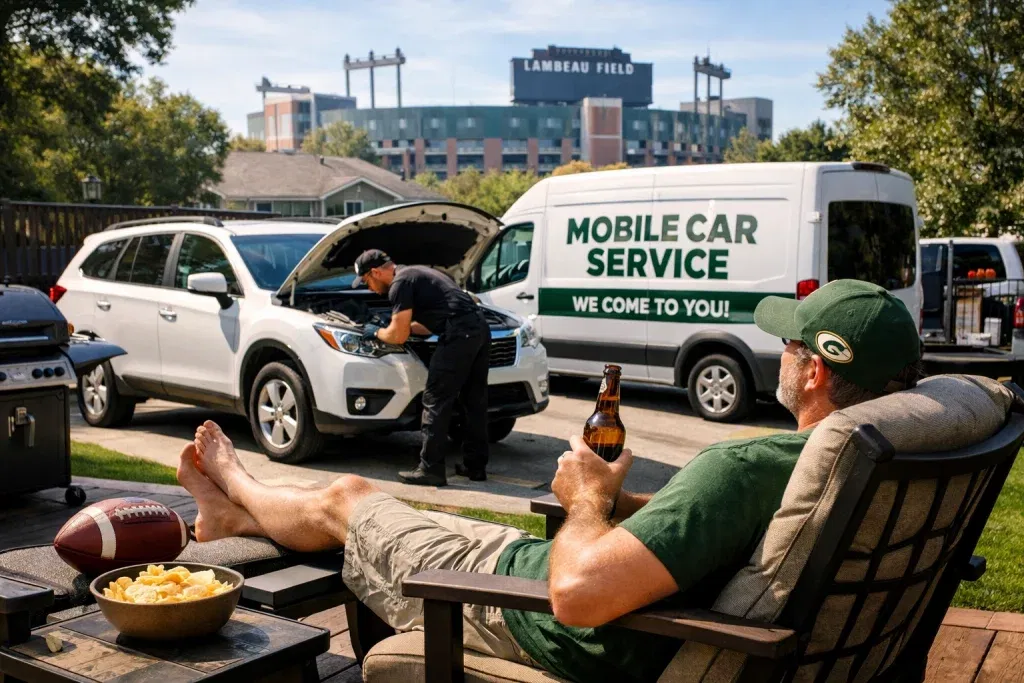
Why spend your Saturday morning in a grease-smelling waiting room when you could be prepping the grill for a tailgate? The primary benefit of a mobile tire service is that the shop comes to you. Whether you’re at home in Ashwaubenon or working in downtown Green Bay, a professional technician can handle your tire changeover in your driveway or parking lot. This eliminates the "time tax" associated with vehicle maintenance, allowing you to focus on your busy schedule while your car gets the expert attention it deserves. Our 15 years of experience means we bring the precision of a high-end shop directly to your doorstep.
7. The "While You're At It" Inspection
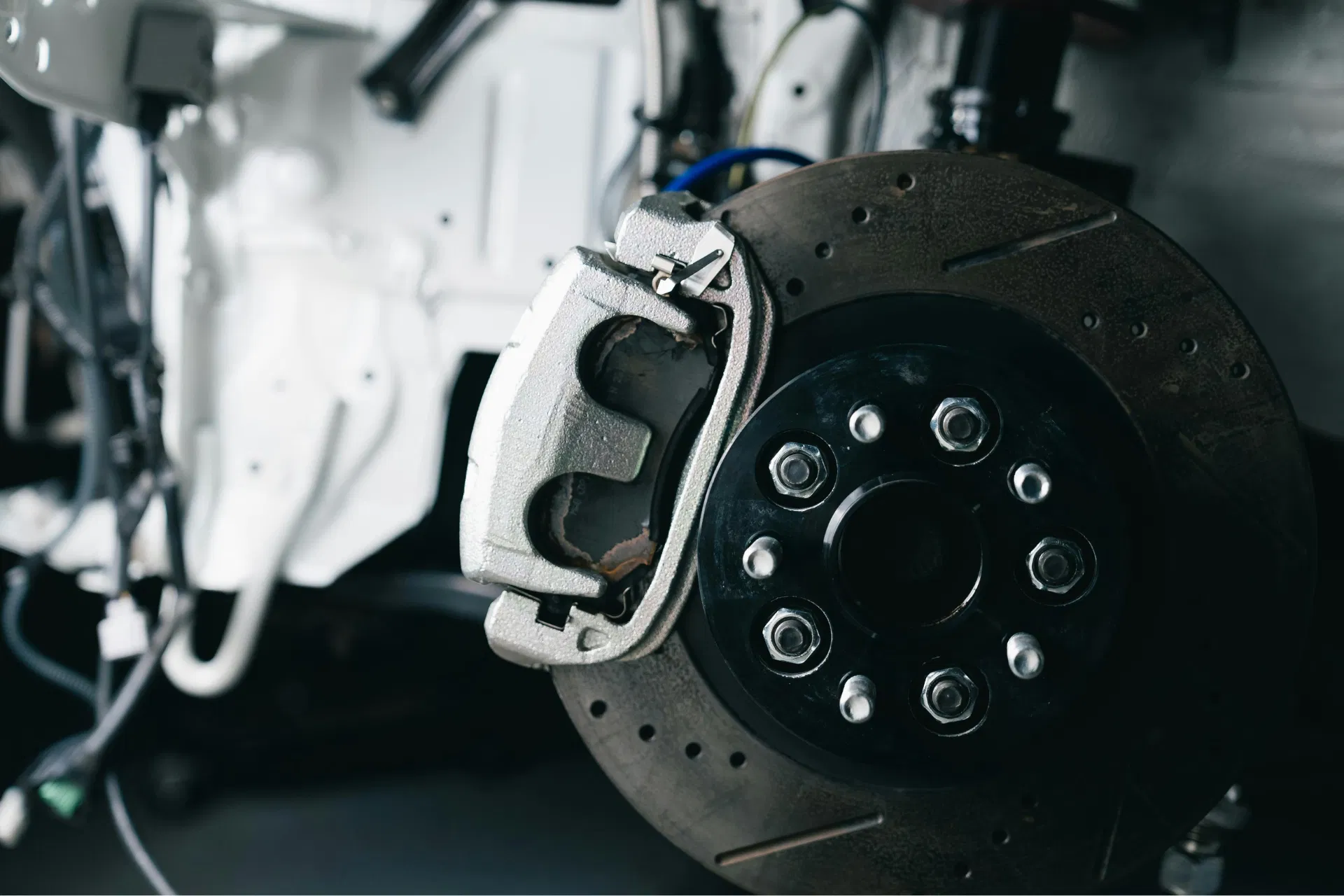
One of the smartest moves you can make during a tire change is to inspect what lies behind the wheels. With the tires removed, components like brake pads, rotors, and brake lines are fully exposed. This is the ideal time for a professional brake service check. We often find that winter salt has begun to corrode brake lines or that pads have worn down unevenly due to winter slush buildup. Catching these problems during a routine tire swap is a textbook example of proactive maintenance: fixing a small problem before it becomes an expensive, and potentially dangerous, failure.
8. Protecting Your Winter Investment
Winter tires are an investment in your safety, and how you store them during the summer determines how many seasons they will last. They should never be left outside or in a humid basement. Ideally, they should be cleaned of road salt, dried, and stored in a cool, dark, and dry environment. If left in the sun, the UV rays will cause "dry rot," making the rubber brittle and prone to cracking. Taking the time to properly store your winter set ensures that when the first flurry hits next November, your tires are ready to perform like new.
9. Don't Forget the Lug Nut Re-Torque
A common but dangerous mistake after a tire change is failing to re-torque the lug nuts. As the wheels settle during the first few miles of driving, the nuts can occasionally loosen slightly. We always recommend a follow-up torque check after approximately 60 to 100 miles of driving. This is a critical safety step that ensures your wheels remain securely fastened to the hub. It’s a simple five-minute check that provides massive peace of mind as you head out on your first spring road trip.
10. Fleet Readiness for Local Businesses
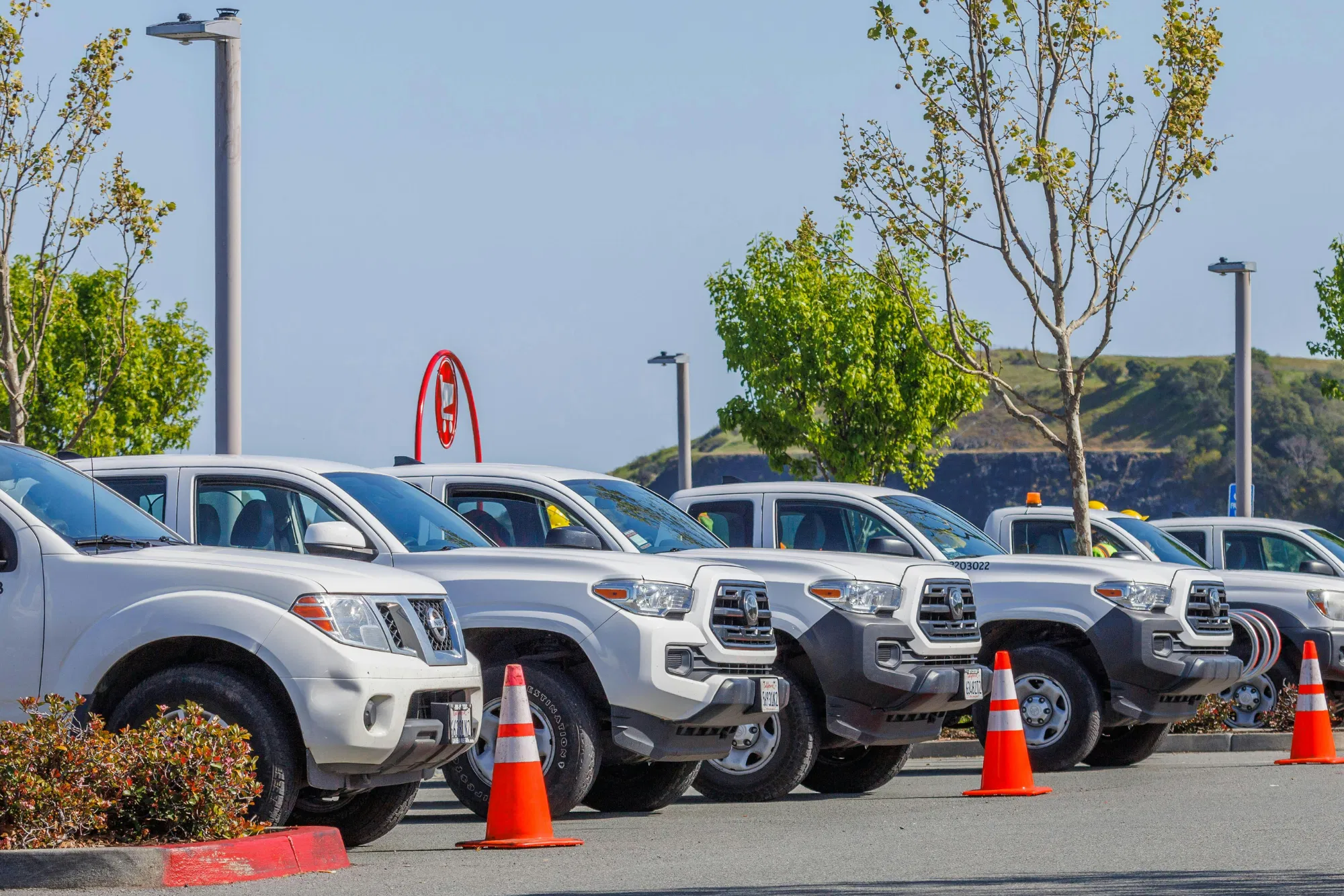
For Green Bay business owners, spring is the time to get the fleet ready for a busy season of deliveries and service calls. Downtime is the enemy of profitability. By utilizing on-site fleet maintenance, companies can have their entire fleet's tires swapped and inspected simultaneously during off-hours or while the vehicles are at the warehouse. This streamlined approach ensures that your drivers are safe and your vehicles stay on the road, earning money rather than sitting in a repair shop queue.
Ultimately, the transition from winter to spring is about more than just shedding a heavy coat; it is about recalibrating your vehicle for a new set of environmental challenges. By paying attention to temperature thresholds, monitoring for pothole damage, and utilizing the convenience of mobile services, you are taking a proactive stance on your vehicle’s health. These small, smart decisions lead to a more reliable, safer, and more efficient driving experience throughout the year. Don't wait for a flat tire or a rainy-day skid to remind you that your tires need attention: schedule your spring maintenance now and enjoy the peace of mind that comes with knowing your car is truly ready for the road ahead. Proper maintenance is the hallmark of a responsible driver, and at HMS Mobile Auto, we are here to make that responsibility as easy and hassle-free as possible.