Ope, if your car has started a little slower lately, don’t just hope it’ll sort itself out before January. Around Green Bay, the first hard freeze can turn a battery that seemed “fine” in October into a no-start when you’re headed to work, picking up the kids, or trying to get through Lambeau Field traffic.
The cold doesn’t necessarily ruin a healthy battery overnight. But it does make a weak one show its age.
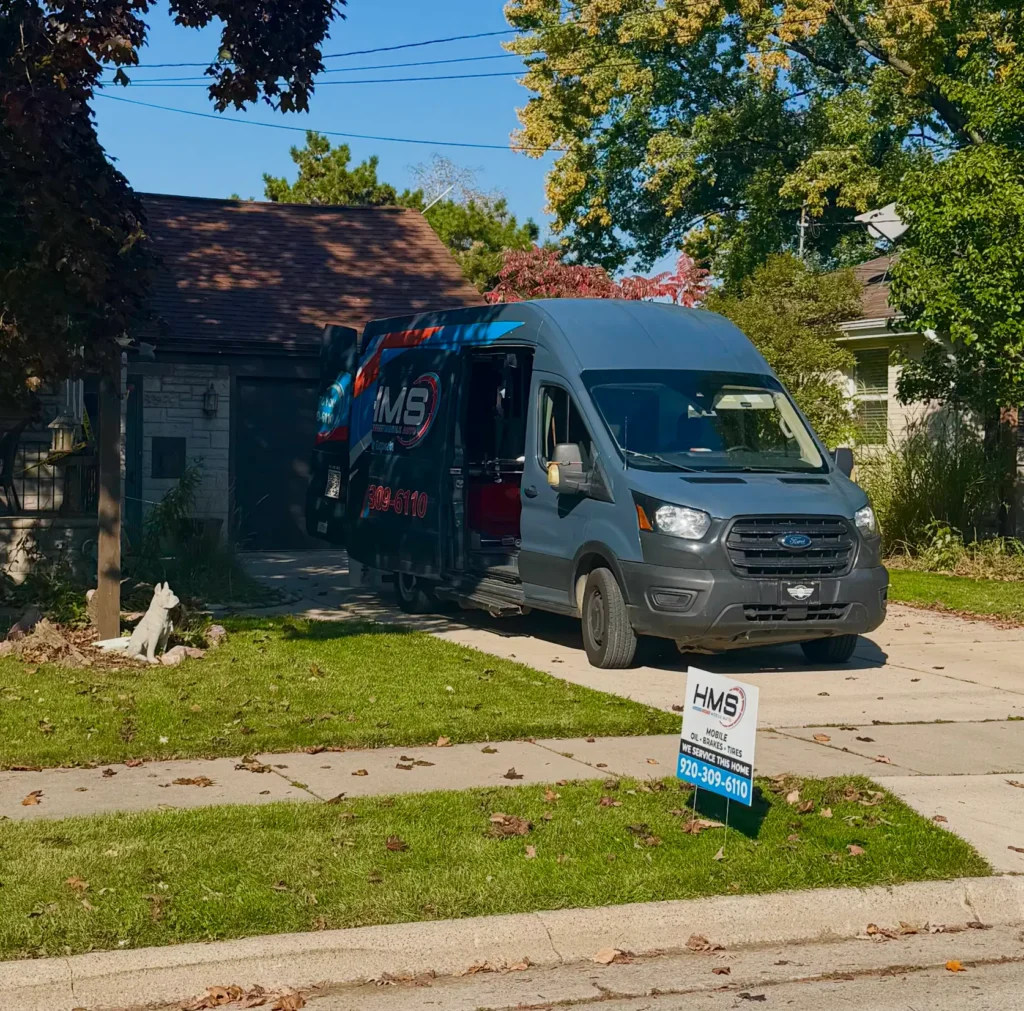
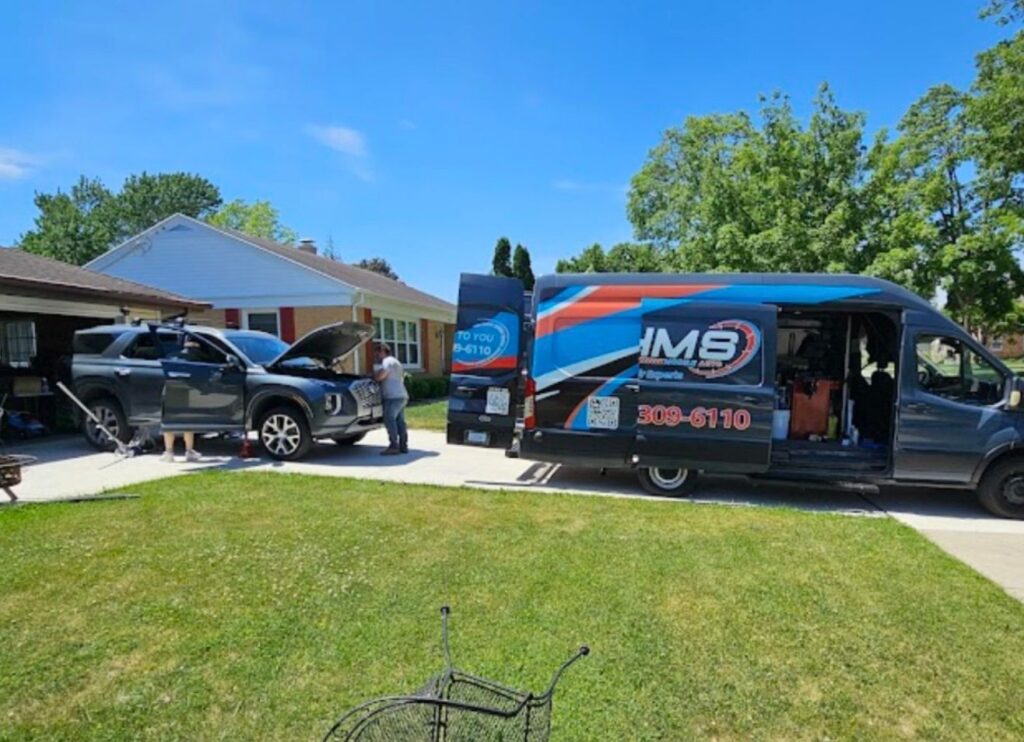
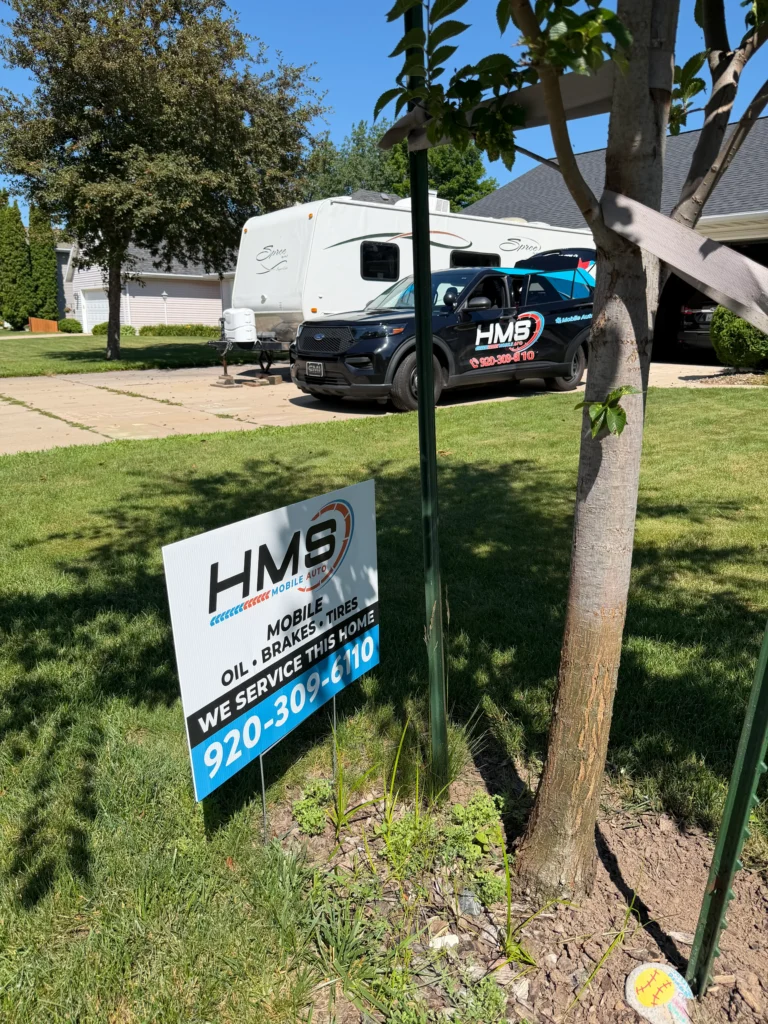
That’s why battery testing is the first stop in our eight-week series on preparing your vehicle for winter, and one important part of the HMS Mobile Auto comprehensive vehicle check. We can check your battery at your home, workplace, or fleet location, then help you decide whether it needs attention before the snow and salt trucks are out in force.
Why cold weather is hard on your battery
A battery makes electricity through a chemical reaction. When temperatures drop, that reaction slows, so the battery can deliver less power right when your vehicle needs more of it.
At the same time, cold engine oil thickens. Your starter has to work harder to turn the engine over. In plain terms: less starting power available, more work required. That’s a rough combination for a battery that’s already near the end of its useful life.
A battery may fire up your car without complaint during a mild Green Bay fall day, then struggle on a frigid morning. Short trips, long stretches parked outside, and repeated jump-starts can add to the strain. The Fox River breeze doesn’t help when your car has been sitting overnight, either.
The important number here is cold-cranking amps (CCA): a battery’s rated ability to deliver starting power in cold conditions. A proper test checks whether your battery can still perform, not just whether it can start the car today.
Signs your battery deserves a closer look
You don’t need to wait for a full no-start to pay attention. Watch for:
- A slow crank: The engine turns over more sluggishly than usual.
- Clicking or no response: You turn the key or press Start and hear a click, or nothing at all.
- Dim lights: Headlights or interior lights dim noticeably, especially during startup.
- Corrosion at the terminals: Look for crusty white, blue, or green buildup around the battery posts or cable ends.
- A battery with some years on it: Many car batteries last around three to five years, though use, climate, and vehicle requirements all matter. Check the battery’s date label if you can.
- Repeat jump-starts: One jump might be a fluke. Needing another is a reason to get the battery and charging system checked.
If your car cranks slowly after sitting in a Downtown Green Bay parking spot or has needed a jump in the driveway, don’t write it off as “just the cold.” It could be the battery, a poor connection, or an issue elsewhere in the charging system.

A battery check means more than looking at the case
A quick glance can reveal obvious trouble, but it can’t tell you how much starting power is left. During a battery test, the technician checks the battery’s condition and available cranking power, then looks at the connections and related components.
That includes:
- Battery terminals and cable ends: Corrosion or a loose connection can interrupt the flow of power.
- Battery cables and grounds: A damaged cable or weak ground connection can mimic a failing battery.
- Charging system: The alternator and related wiring need to be checked so a new or healthy battery isn’t being left undercharged.
In our area, moisture and road grime can build up around battery connections. Salt is most famous for attacking underbodies and brakes, but winter driving leaves plenty of residue to clean off your vehicle, too. If you see corrosion, have the connections inspected rather than scraping away buildup without knowing how to handle the battery safely.
A replacement isn’t always the answer. If the battery’s low on charge, a charging-system issue is present, or a cable connection is poor, replacing the battery alone may not solve the problem. Testing the whole starting and charging picture helps find the real cause.
Why check it now if it still starts?
Because October and January ask very different things of your battery.
In mild weather, a borderline battery may have enough reserve to turn the engine over. When the temperature plunges, available starting power drops and the engine takes more effort to crank. That’s when a marginal battery can finally give up.
Waiting can leave you making an unplanned stop at a grocery store or sitting in a parking lot during a snowstorm, trying to arrange a jump. Better to find out what shape the battery is in while your car is still safely parked at home or at work. If it’s marginal, you can make a plan before the first hard freeze, not after the car won’t start.
Battery work also belongs alongside the other checks involved in preparing your vehicle for winter. The kickoff to this series, “Your 8-Week Green Bay Winter Prep Plan,” lays out the broader plan; this week, we’re starting with the part that gets the engine turning.
Have a fleet? Check every vehicle
If you manage work trucks, vans, or other company vehicles, one battery test doesn’t tell you about the rest of the fleet. Vehicles may have different ages, mileage, battery types, and overnight parking conditions.
A vehicle that sits for long stretches may face different starting challenges than one that runs routes all day. Check each battery individually and keep a note of its age and test results. Scheduling fleet service at your lot can help catch weak batteries before they affect a workday.

Let the HMS truck come to you
If a battery is borderline, replacing it in your own driveway is a lot more comfortable than dealing with a no-start in a grocery store parking lot during a snowstorm. HMS Mobile Auto can test and replace your battery on-site, so you don’t need to book a separate trip to a shop. Battery testing is part of our comprehensive vehicle check, too. One visit can cover the other items on your winter-prep list.
That’s the idea behind mobile car repair Green Bay drivers can fit into a busy week. We bring car service at home in Green Bay to your driveway, workplace, or fleet location, instead of asking you to rearrange your day around a shop visit. If you’ve searched for a mobile mechanic near me, at-home car maintenance, mobile auto service Green Bay, or onsite car repair Green Bay, our local team is here to make the process easier. We bring 15 years of industry experience and have served more than 1,000 customers, completing over 1,500 services.
We serve Green Bay and the surrounding area, including Oneida, Ashwaubenon, Howard, Downtown Green Bay, Bellevue, De Pere, Wrightstown, Ledgeview, Appleton, Fond du Lac, and Oshkosh. Whether you’re parked near Lambeau, commuting on I-41, or getting the car ready for unpredictable Wisconsin weather, we’ll work with you to find a convenient time.

A simple battery plan for this week
Before the temperatures start bouncing from mild to freezing, and back again, check your battery’s age and pay attention to how the engine starts. If you notice slow cranking, clicking, dim lights, terminal corrosion, or repeated jump-starts, arrange a proper battery and charging-system test.
A quick look can raise a question. A test can help answer it.
Yah hey, while you’re at it, add the battery to your comprehensive vehicle check. Your battery, terminals, cables, and charging system can all be inspected in one driveway visit, along with other items you’ll want checked as you prepare your vehicle for winter. You can stay home, keep your day moving, and get ahead of the cold rather than waiting for a no-start.
Book your on-site battery test or comprehensive vehicle check with HMS Mobile Auto. Call or text 920-309-6110, or book online. More about our mobile services is available at www.hmsmobileauto.com.
For more general winter-driving guidance, see the Wisconsin Department of Transportation’s vehicle-preparation checklist and AAA’s guide to car-battery warning signs.