As the ice finally recedes from the Fox River and the last of the slush disappears from the streets of Green Bay, most drivers are focused on spring cleaning their homes or swapping out their heavy coats. However, your vehicle has just endured months of the harshest conditions Wisconsin has to offer, and your braking system likely bore the brunt of it. The transition from winter to spring is the most critical time for brake maintenance, yet many drivers unknowingly make errors that compromise their safety and lead to expensive repairs. Your brakes are your primary safety feature; understanding how the "salt season" affects them is essential for ensuring your vehicle remains reliable as the weather warms up.
Neglecting post-winter brake care is not just a matter of maintenance: it is a matter of security for you and your family. The combination of extreme temperature fluctuations, heavy road salt, and moisture creates a volatile environment for metal components. If you ignore the subtle warning signs now, you risk total component failure when you least expect it. Taking proactive steps today prevents the "spongy" pedal feel or the terrifying grinding sound that signals a much larger, more dangerous problem is already underway.
1. Ignoring the "Green Bay Salt Crust"
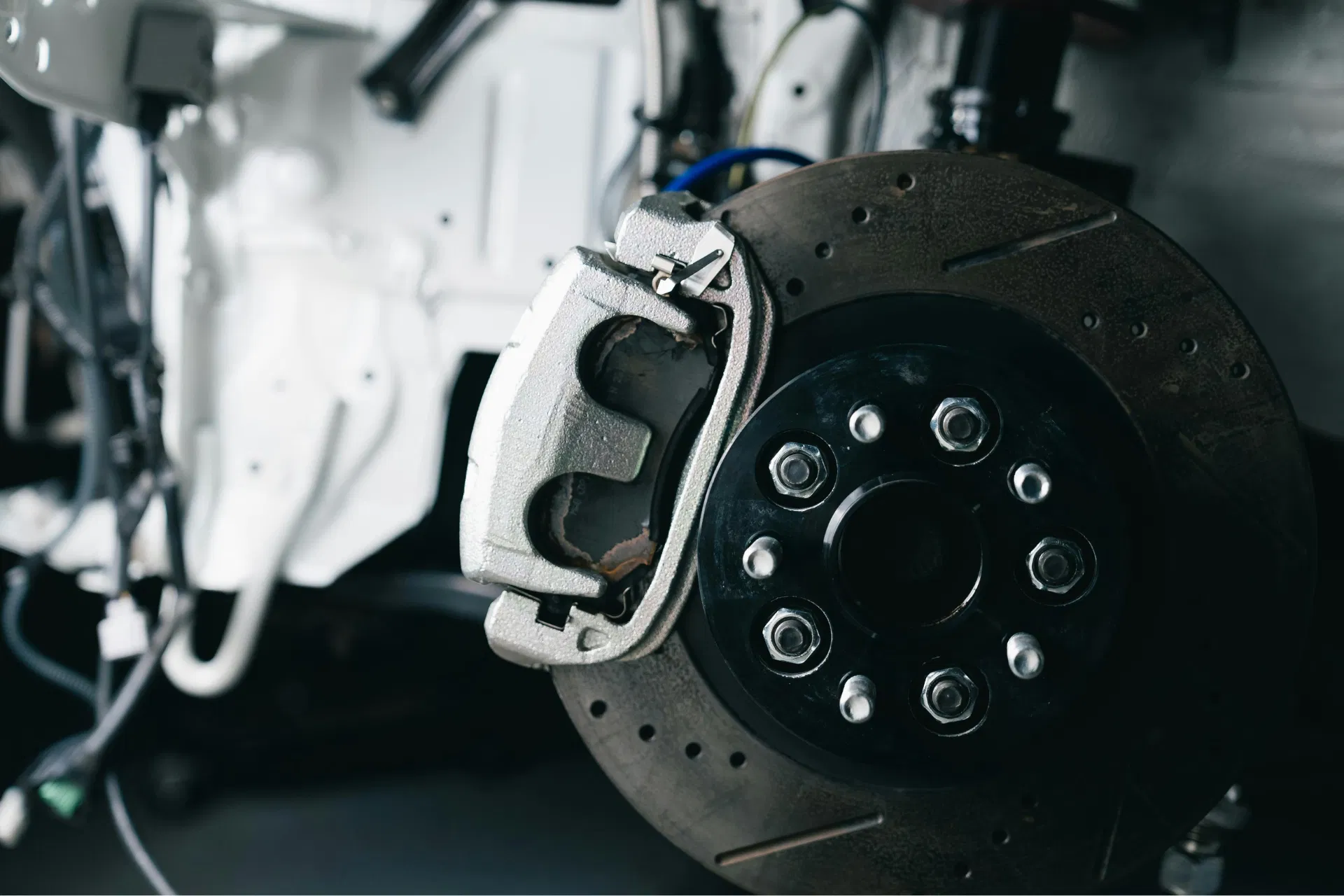
One of the most common mistakes local drivers make is assuming a quick trip through an automated car wash is enough to protect their brakes. In Green Bay, we use a significant amount of road salt and liquid brine to keep Highway 41 and local roads clear. This salt doesn't just sit on your paint; it migrates into the intricate parts of your braking system, forming a corrosive crust on your calipers, rotors, and brake lines. This buildup can lead to premature rusting and pitting of the metal surfaces, which should never be ignored as it compromises the structural integrity of your vehicle.
A superficial wash often misses the back of the rotors and the internal slide pins where salt does the most damage. When salt is allowed to sit, it begins to eat away at the rubber seals and the metal piston of the caliper. Another common warning sign of this corrosion is a slight pulling to one side when you apply the brakes. By scheduling a professional mobile brake service in Green Bay, you ensure that an expert can physically inspect these hidden areas, cleaning away the winter residue before it turns into permanent damage.
2. Thinking "Quiet" Means "Safe"
There is a dangerous misconception that if your brakes aren't squealing or grinding, they must be in perfect condition. Unfortunately, winter driving can mask the indicators that your pads are thinning. Heavy snow and ice can actually lodge in the brake assembly, dampening the sound of the wear indicators: those small metal tabs designed to chirp when your pads are low. Additionally, the cold temperatures can make brake pad material more brittle, leading to "glazing" where the pad becomes too hard and loses its friction-holding capabilities without making much noise at all.
Waiting for an audible cue is a reactive approach that can lead to "metal-on-metal" contact, which destroys your rotors and doubles your repair bill. A visual inspection is the only way to accurately assess your pad life after a long winter. Our technicians at HMS Mobile Auto perform comprehensive on-site brake inspections that measure pad thickness precisely. This forward-looking maintenance ensures you aren't caught off guard by a brake failure during a spring rainstorm when stopping distances are already increased.
3. Skipping a Brake Fluid Flush
Brake fluid is "hygroscopic," which means it actively absorbs moisture from the air. During a Green Bay winter, the constant cycle of heating up during driving and cooling down to sub-zero temperatures overnight creates significant condensation within the brake system. If that moisture finds its way into your brake lines, it lowers the boiling point of the fluid and causes internal corrosion. This leads to a "spongy" brake pedal where you have to press much harder to get the car to stop, a situation that is essential for your safety to resolve immediately.
Ignoring your fluid quality is a mistake that affects the entire hydraulic system, including the expensive Anti-lock Braking System (ABS) pump. If the fluid looks dark or murky rather than a clear golden hue, it is already contaminated and needs immediate attention. Replacing the fluid is a simple way to restore that firm, responsive pedal feel you need for confident driving. Additionally, keeping your fluids fresh is one of those essential fluid services your car can't ignore if you want to avoid the high cost of replacing rusted-out brake lines later this summer.
4. Overlooking Caliper Seizing
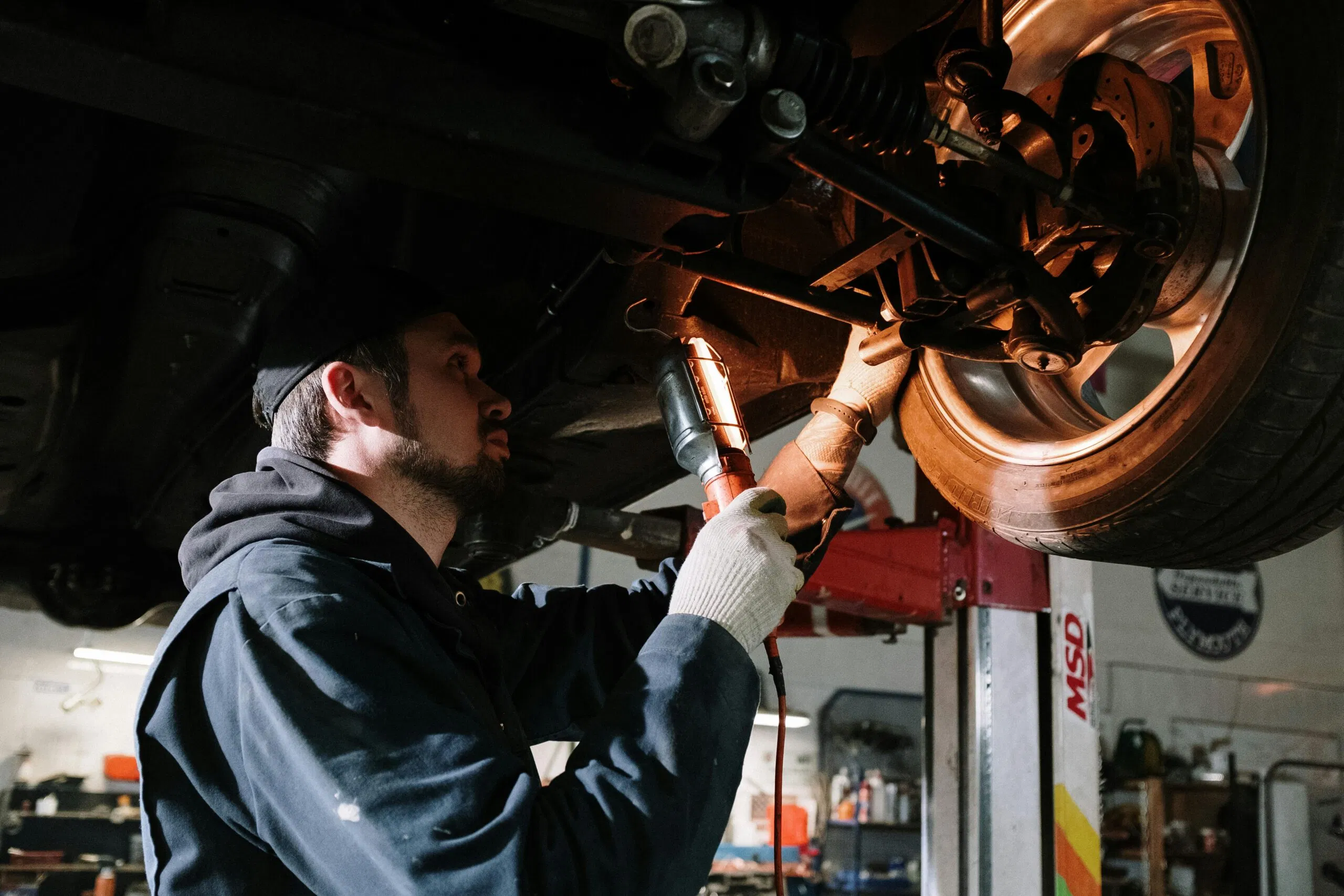
The road salt we mentioned earlier loves to settle in the "slides" or "pins" of your brake calipers. These pins allow the caliper to move back and forth so it can apply even pressure to both sides of the rotor. When these pins get gummed up with salt and road grime, the caliper can "seize" or stick. This often goes unnoticed by drivers until they realize their car isn't coasting as well as it used to, or they smell a "burning" scent after a short drive. A seized caliper keeps the brake pad pressed against the rotor even when you aren't braking, leading to extreme heat and premature wear.
This mistake doesn't just cost you a new set of pads; it significantly reduces your fuel economy because your engine is essentially fighting against its own brakes. Furthermore, the extreme heat generated by a stuck caliper can warp the rotor and even damage the wheel bearing. A proper post-winter service involves more than just swapping pads; it requires cleaning and lubricating these critical slide points. Taking action now prevents the frustration of a breakdown and ensures your vehicle operates with the efficiency you expect.
5. DIY Gone Wrong in the Driveway
Many well-meaning Green Bay residents try to tackle brake jobs themselves to save money. While we admire the DIY spirit, the modern braking system is more complex than it looks, especially with integrated electronic parking brakes and ABS sensors. One common mistake is failing to properly compress the caliper piston or accidentally kinking a brake hose, which can lead to a sudden loss of braking power. Without the right diagnostic tools, you might also miss the subtle visual cues of a failing master cylinder or a hairline crack in a rubber hose.
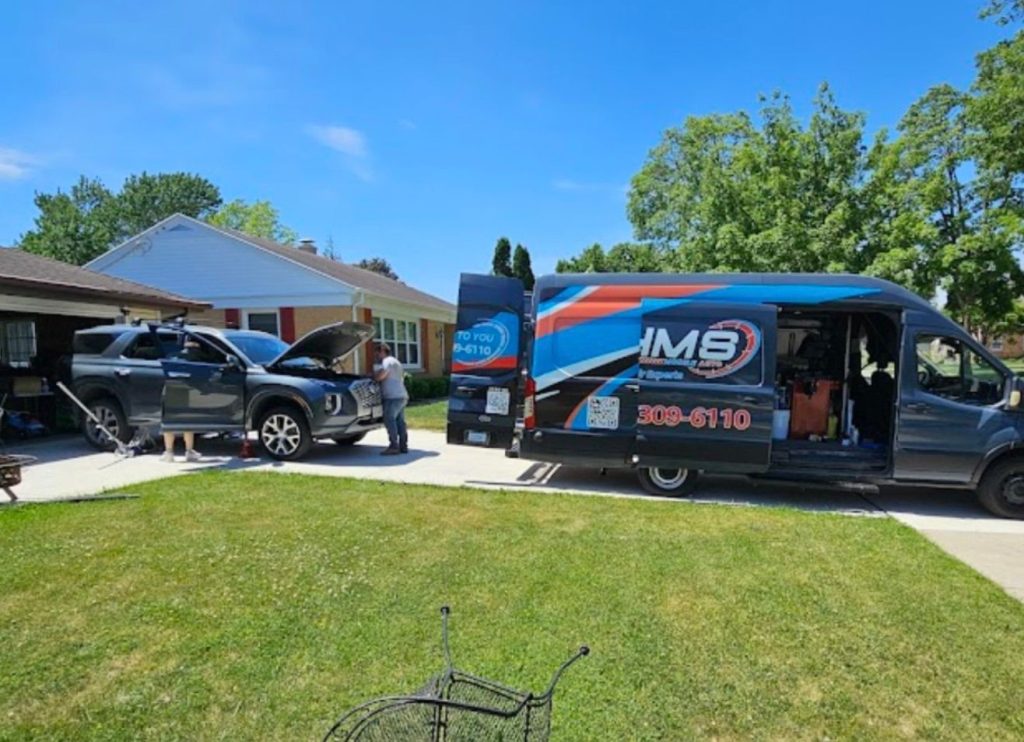
Safety should never be a trial-and-error process. If you aren't 100% confident in your ability to bleed the system or torque the bolts to factory specifications, you are putting yourself and other drivers at risk. The benefit of hiring a professional mobile mechanic in Green Bay is that we bring the shop-grade tools and 15 years of expertise directly to your driveway. We handle the heavy lifting and the technical details, giving you the peace of mind that the job was done right the first time without you ever having to get your hands dirty.
6. Waiting for the "Squeal"
In the automotive world, being proactive is always cheaper than being reactive. Many drivers believe that as long as the car stops, everything is fine. However, the damage caused by winter salt is often silent and cumulative. By the time you hear a squeal or feel a vibration in the steering wheel, you are likely looking at a much more involved repair than a simple pad replacement. Another common warning sign is a brake pedal that pulsates; this indicates that your rotors have warped or developed "hot spots" due to uneven cooling or salt buildup.
Immediate attention to these minor issues saves you time and hassle in the long run. When you address brake wear early, you can often save the rotors by simply resurfacing them or keeping them clean. If you wait, you'll be forced into a "complete brake overhaul" that includes pads, rotors, and potentially calipers. This problem-solution framework is simple: catch the wear early through a seasonal inspection, and you'll maintain the long-term health of your vehicle while keeping your maintenance budget under control.
7. Thinking a Shop Visit is the Only Way
The biggest mistake people make with post-winter care isn't about the car at all: it's about their schedule. Many Green Bay drivers put off essential brake work because they simply don't have three hours to sit in a greasy waiting room or the ability to arrange a ride to and from a traditional shop. This delay is dangerous. The longer you wait, the more the winter damage sets in. You might think you're saving time by skipping the appointment, but you're actually risking a major breakdown that will take your car off the road for days.
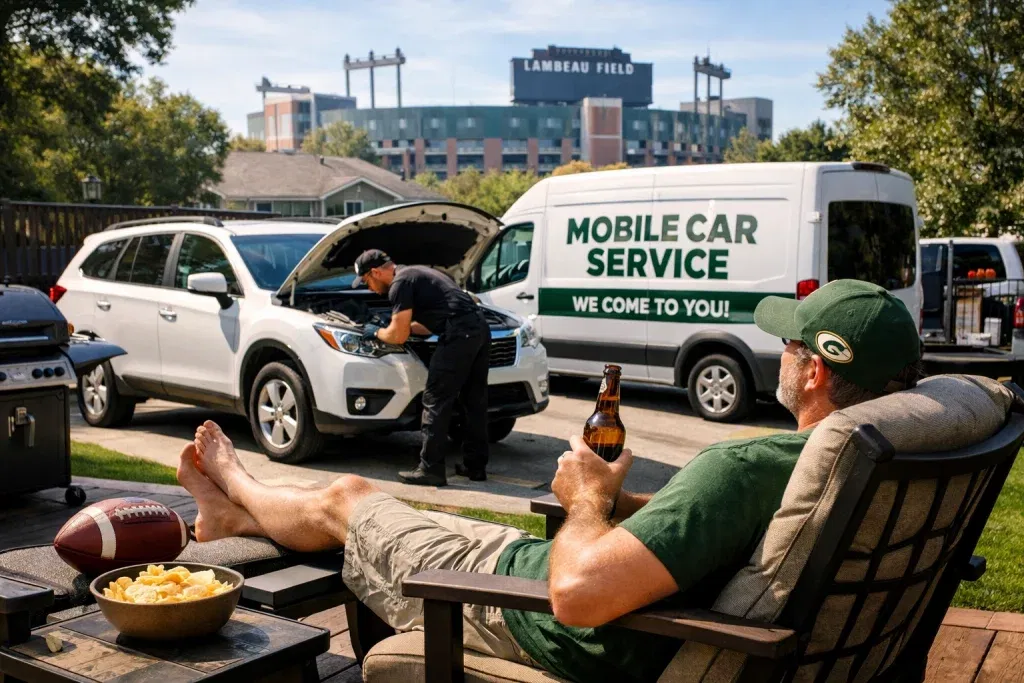
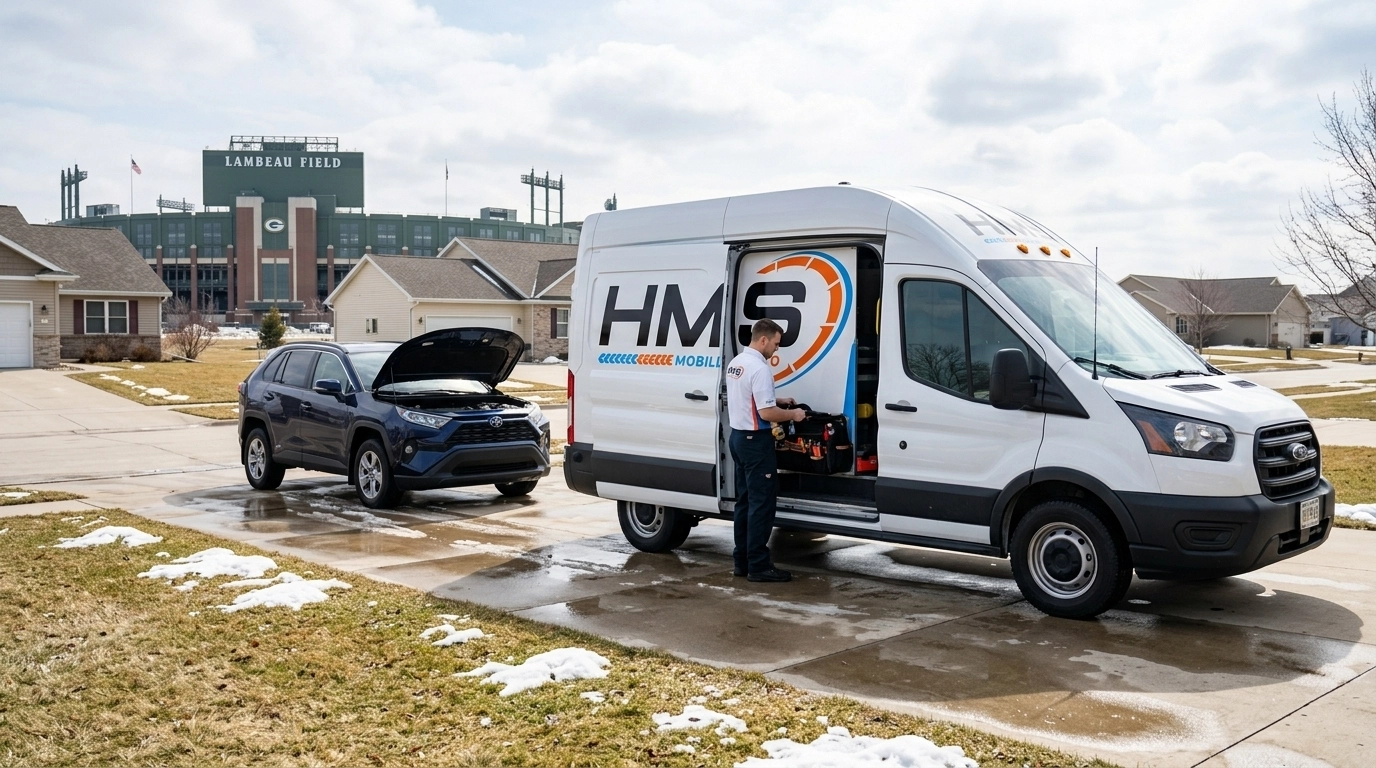
The solution is easier than you think. You don't have to choose between your job, your family, or your safety. Our mobile car service in Green Bay is designed to fit your life. Whether you're working at your office near Lambeau Field or relaxing at home in De Pere, we bring the expertise to you. We've completed over 1,500 services for neighbors just like you, focusing on convenience and quality so you never have to sacrifice your day for a brake job again.
Reclaiming Your Safety and Your Time
Winter in Wisconsin is tough on vehicles, but spring is your opportunity to hit the reset button. By avoiding these seven common mistakes, you ensure that your car is ready for the road trips, commutes, and daily errands that come with the warmer weather. Remember that your brakes are a complex system that requires professional attention to navigate the corrosive effects of road salt and moisture. Ignoring the subtle signs of wear today only leads to more significant, more expensive problems tomorrow.
Choosing a professional mobile service means you are prioritizing both your safety and your convenience. At HMS Mobile Auto, we provide the expert care your vehicle needs with the transparency and local expertise you deserve. Our goal is to keep you moving smoothly without the stress of a traditional repair shop. Reach out to us today to schedule your post-winter brake inspection and experience the security of knowing your vehicle is in peak condition. Smart decision-making now leads to a safer, more reliable drive all season long.